Moving Customer Data Isn’t Cheap: How Zero Copy Can Help

How can a customer data platform complement your data warehouse? By providing instant access to data without a lift-and-shift.



How can a customer data platform complement your data warehouse? By providing instant access to data without a lift-and-shift.
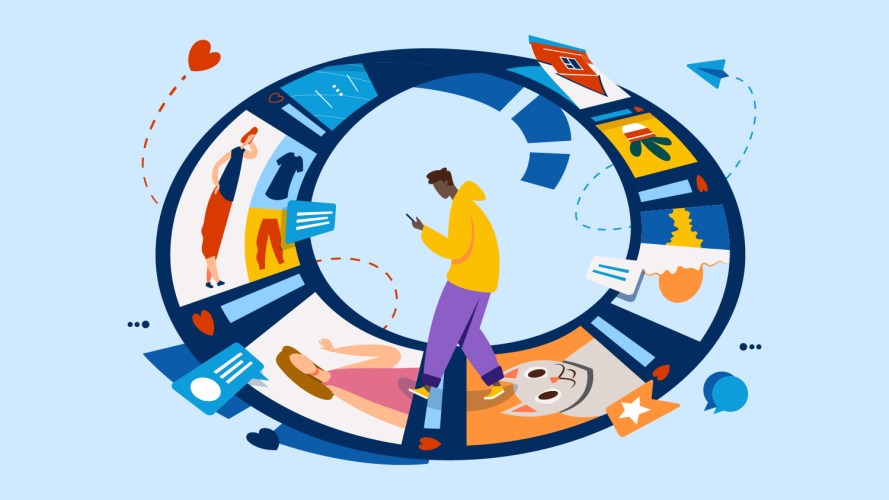
They’re global and super tech savvy. But that’s not all. We spoke with two leading researchers about the nuances of connecting with this new generation.

AI isn’t just for B2C companies. Learn how this technology can improve client relationships and help you grow.

Digital marketing success doesn't have to be determined by the size of your business, or its budget. In fact, small businesses actually have a distinct advantage in the space.

The days of "batch and blast" are over. Here's how you can win with personalization and using your data intelligently.

Pro sports teams are using AI, personalization, and journey optimization to connect with fans and stay ahead of the competition. Here’s what that means for the rest of us.


When you understand the basics of lead generation, you'll turn interest into conversions. Here's what you need to know.

Customers want more personalized, relevant messages from brands. Here's how a strong email segmentation strategy can make that happen.

AI can be your helpful digital assistant, handling time-consuming, tedious tasks so you can focus on creating campaigns that win.
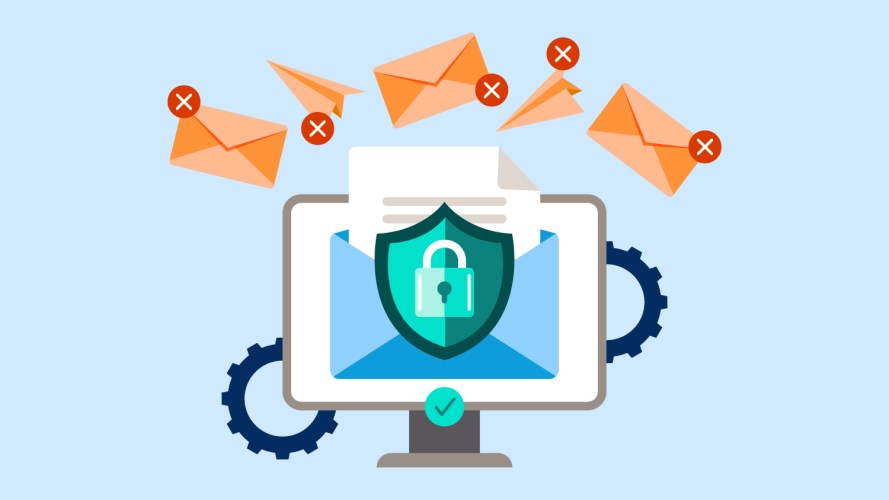
Gmail and Yahoo are changing their domain authentication requirements. Here’s how you can make sure your campaigns reach your customers.

What can a customer data platform do for your brand? Learn how it can bring you closer to your customers — with help from AI.


Get the latest articles in your inbox.